jjames408's pick · Updated July 2026
15.6" Laptop Screen Extender
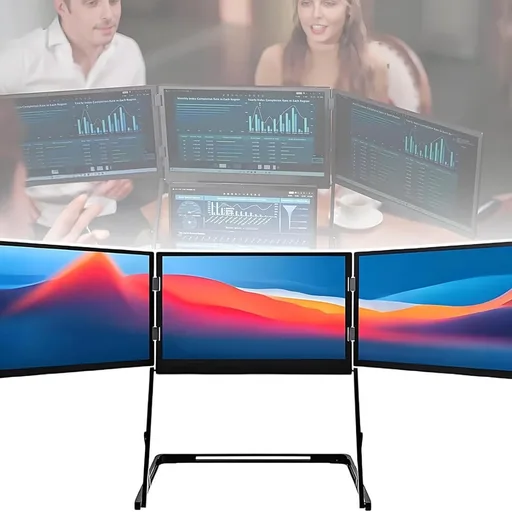
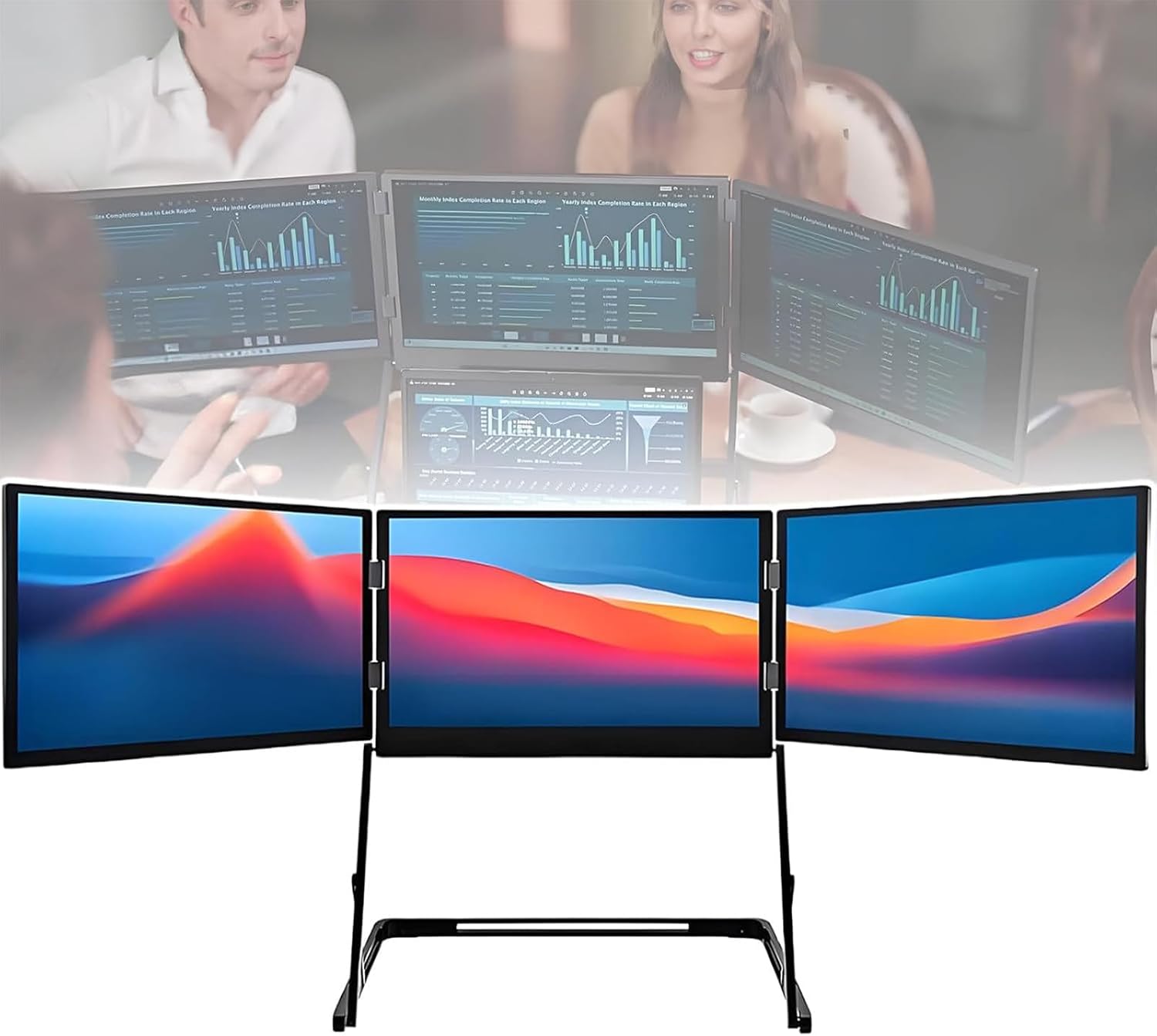
A 15.6-inch laptop screen extender may make the most sense for someone who works in tight quarters but still wants more room to keep apps, notes, and reference material visible at the same time. It is the kind of accessory that can help if you spend long stretches on a laptop, travel with your setup, or want a simple way to build a two-screen workflow without moving to a full desk monitor arrangement.
The appeal here is straightforward. A second screen can reduce tab switching, and a portable extender can be easier to carry than a separate monitor and stand. The 1080p panel resolution is a sensible baseline for text, spreadsheets, messaging, and general productivity. Type C, HDMI, and USB-C compatibility also suggests that the device is meant to work across a range of laptop setups, which matters more than most shoppers expect. The 360-degree rotation and adjustable viewing angles may be especially useful if you need to share the screen, switch between portrait and landscape use, or fit the display into a cramped desk layout.
The main thing to check is fit. A screen extender can sound broadly compatible, but actual compatibility often depends on how your laptop handles power, video output, and port layout. Some setups need a single USB-C connection, while others may require separate video and power connections. It is also worth confirming whether your laptop can support the extra display without adapters you do not already own, and whether the mounting style works with the thickness and shape of your screen lid. Weight and hinge pressure are worth a look too, since a portable display that sounds convenient on paper can feel awkward if it shifts the laptop balance.
The evidence posture here stays simple because there are no usage notes to lean on. The title suggests portability, a 15.6-inch size, full HD resolution, and flexible positioning, but those are listing facts, not proof of day-to-day ease or durability. A careful buyer should treat those as starting points and verify cable needs, supported operating systems, laptop size limits, and how much desk space the unit actually occupies when opened.
This kind of product is probably best for students, remote workers, frequent travelers, and anyone who wants more screen area without committing to a large monitor. It may also suit people who already know they like a dual-screen workflow and want something easier to move than a traditional setup. If your laptop ports line up and you value flexibility over a more permanent desktop solution, this could be a practical fit. If you need maximum simplicity, it is worth checking the connection details closely before you buy.
Amazon product links on this guide are not currently affiliate links. Neither jjames408 nor Buyer Field Guide earns an affiliate commission from them.
See current price